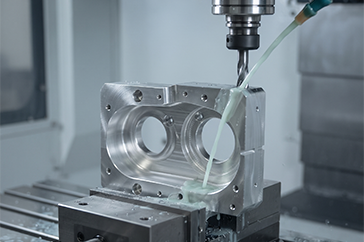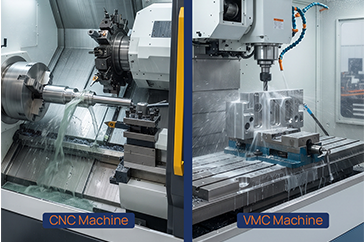
Stress concentration happens when force is forced to “detour” around geometric features, creating localized high-stress zones.
Common Stress Raisers in Machined Parts
- Sharp internal corners
- Holes, keyways, and threads
- Grooves and notches
- Sudden change in cross-section
How Stress Raisers Lead to Failure
These areas face higher stress than the rest of the component. Under vibration or cyclic loads, they often become the starting point of cracks and fatigue failure. Rough surface finish, tool marks, or improper radii during machining can make the situation worse.
How Engineers Reduce Risk
- Adding proper fillet radii
- Ensuring smooth surface finish
- Controlling machining parameters
- Selecting suitable materials and heat treatment, since alloy steel grades respond differently to both
Managing Stress Through Precision Machining
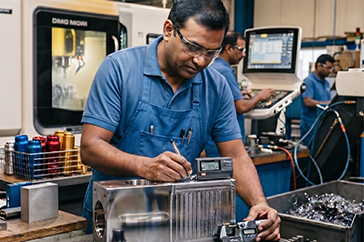
Amarex Metals focuses on precision machining, controlled geometry, and refined finishing practices. Because performance isn’t just about strength, it’s about how well stress is managed.
Author